
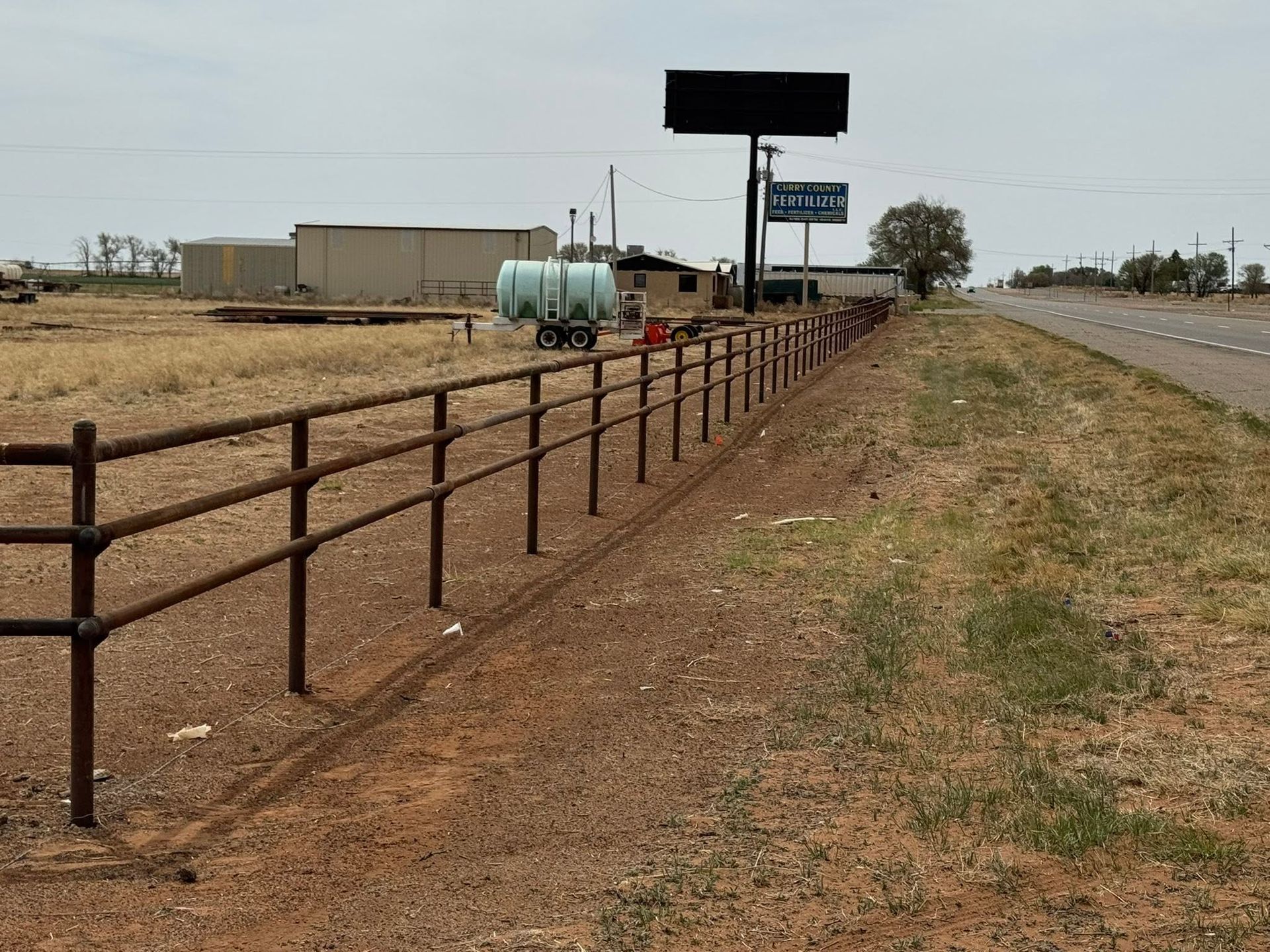
Property Lines Built for Long-Term Function
Residential Fencing in Amarillo for homeowners defining boundaries, controlling access, or updating worn enclosures
Older fencing begins to lean, gate latches stop closing properly, and panels loosen at the fasteners after years of wind and sun exposure common throughout the Texas Panhandle. Up Industries LLC installs residential fencing that reestablishes clear property boundaries and delivers the privacy or access control homeowners need. In Amarillo, where open yards and steady wind create constant stress on fence lines, durable construction prevents the sagging and shifting that occur when posts aren't set deep enough or materials aren't matched to the environment.
Residential fencing addresses multiple concerns: it marks property lines, restricts entry to specific areas, provides visual privacy, and creates enclosures for pets or play areas. The installation process involves evaluating the property layout, identifying any slope or drainage features that affect post placement, and determining gate locations that align with existing walkways or driveways.
Schedule a property evaluation to review your yard layout and discuss the function you need from the fence.
How Residential Fencing Addresses Property Boundaries and Access
The work starts with marking the fence line according to property boundaries and any easements or setback requirements. Post holes are dug to a depth that accounts for frost line and wind load, ensuring stability even when gusts push against the full height of the panels. Gate frames are squared and braced before hardware is attached, preventing the misalignment that causes latches to miss their strike plates after settling occurs.
After installation, the property has a straight, secure fence line that doesn't lean or shift when weight is applied or wind picks up. Gates swing smoothly and latch without forcing, and the enclosure maintains its shape without requiring seasonal adjustments. Homeowners notice that the yard feels more defined, pets remain contained reliably, and the fence doesn't need constant attention to stay functional.
Some projects require working around existing landscaping, irrigation lines, or grade changes that affect how posts are placed. Others involve matching fence height to neighborhood standards or coordinating with adjacent property owners when the fence sits on a shared boundary. The installation adapts to these factors without compromising the structural integrity of the fence line.
Answers to Frequent Service Questions
Homeowners typically want to understand how the installation will affect their property and what decisions need to be made before work begins.
What happens during the initial property evaluation?
The evaluation identifies property lines, existing utilities, grade changes, and any obstacles that affect post placement. In Amarillo, this includes noting wind exposure patterns and drainage flow to ensure the fence doesn't trap water or create wind tunnels along the property line.
How is fence height and placement determined?
Height depends on the homeowner's goals—privacy, containment, or boundary marking—and any local code requirements. Placement follows property lines while accounting for easements, setbacks, and existing features like trees or utility boxes that can't be moved.
What should homeowners prepare before installation begins?
Clear the fence line of furniture, equipment, or plants that obstruct access. Mark any irrigation lines or underground utilities not already identified through locating services. Confirm that pets and children will be kept away from the work area during installation.
How does residential fencing handle slope or uneven terrain?
Posts are set at varying depths to maintain consistent height above ground while ensuring each post reaches stable soil. Panels can be stepped or racked depending on the degree of slope and the fencing approach chosen, so the fence follows the terrain without creating gaps or awkward angles.
Why do gates sometimes fail to latch properly after installation?
Gate failure usually results from inadequate post bracing or settling that occurs when footings aren't deep enough. Proper installation includes diagonal bracing on gate posts and footings sized to resist the constant stress gates create through repeated use and wind pressure, preventing the misalignment that causes latch problems later.
Discuss your property layout, preferred function, and project scope with Up Industries LLC to establish a residential fencing plan suited to your yard and the environmental conditions typical of Amarillo.